Understanding the Lightning Icon, Thunder Symbol, and Electric Design
You’ve seen it everywhere—on app buttons, warning signs, logos, and even as a decorative motif. The lightning icon, often paired with a thunder symbol or used to represent electric energy, is one of the most instantly recognizable visual cues in modern design. But its meaning, application, and even its selection can vary dramatically depending on who you are and what you’re trying to achieve. Whether you’re a creator building a brand, a professional selecting iconography for safety signage, or a consumer simply curious about why that little bolt looks different on every app, understanding this symbol’s nuances can make a real difference.
What Exactly Is a Lightning Icon or Thunder Symbol?
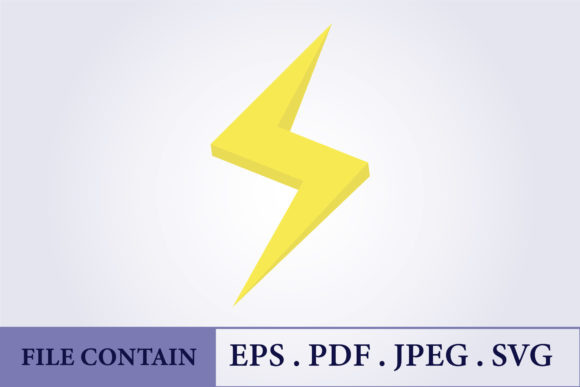
At its core, a lightning icon is a stylized depiction of an electrical discharge—a jagged line, often with a point. A thunder symbol typically adds that jagged line inside a cloud or as a standalone crack. When paired with the word “Electric,” the combination signals power, energy, danger, speed, or even a sudden idea (the “lightbulb moment” borrowed from lightning). These symbols are not just decorative; they carry cultural and psychological weight. For example, a lightning bolt on a caution sign means high voltage; on a gaming logo, it implies speed and ferocity; in a weather app, it means a storm is coming. The same shape, rendered differently, can communicate completely different things.
Why Different Audiences Care About This Symbol
The value of a lightning icon or thunder symbol is not one-size-fits-all. Understanding who needs what can save time, money, and frustration.
For Beginners and Casual Users
If you’re just starting out—maybe designing your first website, creating a logo for a small side business, or picking icons for a school project—the main priority is ease of use and affordability. You don’t need a custom-designed lightning bolt from a top-tier agency. Free icon libraries (like Font Awesome, Material Icons, or Flaticon) offer dozens of variations. The challenge is choosing one that matches your message. For instance, a simple, thin line lightning icon works well for a modern tech startup, while a thick, filled thunder symbol might suit a heavy metal band’s logo. Beginners should focus on clarity: can a viewer instantly understand what the symbol means in context? Test it with a friend before committing.
Practical example: A beginner creating a flyer for an electric scooter rental service could download a free lightning icon in a bold yellow against a dark background. It communicates “electric” and “fast” without needing words. But avoid overcrowding—too many symbols confuse the message.
For Experienced Designers and Creators
Professionals look beyond the basic shape. For them, priority shifts to flexibility, quality, and brand consistency. A single lightning icon used across a website, mobile app, print materials, and signage must look good at any size and resolution. SVG formats are essential. Also, the symbol’s style must align with the brand’s visual language—rounded corners for a friendly feel, sharp angles for edginess. Cost becomes less of a barrier; investing in a custom-made lightning icon that perfectly matches brand guidelines is often worth it.
Practical example: A UX designer working on a power management app needs a lightning icon that communicates “charging” clearly. She might create a micro-animation where the bolt pulses gently, reinforcing the state of a device. The icon’s thickness, color (green when charging, red when low), and position all matter for usability.
For Business Owners and Entrepreneurs
If you run a business—especially in energy, technology, or any field involving electricity or speed—the lightning icon can be a powerful branding tool. But commercial value and long-term usefulness are key. A trendy icon might look great today but could feel dated in three years. Business owners should choose a design that feels timeless, or at least adaptable. Also consider cultural connotations: in some regions, a lightning symbol might be associated with danger or fear (like lightning strikes). That could be perfect for a safety company, but counterproductive for a children’s learning app about electricity.
Practical example: An electric vehicle charging station franchise uses a stylized lightning bolt in its logo. The symbol appears on chargers, apps, and marketing. Over time, the icon becomes synonymous with reliability and green energy. The business invests in trademarking the specific design to prevent competitors from using similar marks.
For Educators and Trainers
Teachers, workshop leaders, and online course creators often need lightning and thunder symbols to explain scientific concepts. Here, learning value and presentation matter. A realistic thundercloud icon with a lightning bolt helps students visualize weather. A cartoonish bolt might work for younger kids, but for high school physics, a clear, simple line drawing works best. The symbol should not distract from the lesson—it should enhance understanding.
Practical example: A science teacher creating a slideshow on electricity uses a consistent lightning icon to label “high voltage” diagrams. She pairs it with a caution triangle. The icon is reserved solely for danger points, so students immediately associate the symbol with safety.
For Consumers and Hobbyists
Consumers encounter lightning icons daily on battery indicators, app notifications, and product packaging. For them, the symbol’s main role is quick recognition. A hobbyist into electronics might use a lightning decal on a custom-built circuit box. The priority is aesthetics and personal taste—maybe a vintage comic-style thunder symbol. No commercial pressure, just fun.
Practical example: A hobbyist building a cosplay prop that shoots fake sparks chooses a lightning bolt emblem from a game and paints it on the side. For him, creativity and personal connection to the symbol matter most.
Key Considerations When Choosing or Using a Lightning Icon
Different use cases demand different priorities. Here’s a breakdown of what matters for typical scenarios:
- Ease of use: For one-off projects or non-designers, ready-made icons from reputable libraries work best. Avoid obscure formats like EPS unless you know how to handle them.
- Cost: Free icons are abundant, but check licenses. Some require attribution. Premium icon sets offer consistency and unique styles for a small fee.
- Quality and reliability: Vector formats ensure sharp scaling. Raster icons (PNG) may blur when enlarged. For print, always use vector or high-resolution files.
- Flexibility: Can you recolor the icon? Does it work in negative (white on dark background)? Versatile icons reduce future work.
- Creativity vs convention: Sometimes a unique twist on a lightning icon helps you stand out. Other times, sticking to a conventional shape ensures instant recognition. Know your audience.
- Long-term usefulness: Trends change. A lightning icon with a 3D glossy look might scream “2007.” Flat, minimalist styles endure better.
How to Decide If This Symbol Fits Your Project
Before committing to a lightning icon or thunder symbol, ask yourself a few questions:
- What emotion or idea do I want to communicate? (Speed, danger, energy, innovation?)
- Will this symbol appear in a context where it might be misinterpreted? (For a funeral home, probably not.)
- How is my audience likely to react? (Test it on a few people from your target group.)
- Does the style of the icon match my other design elements? (Rough sketch vs polished corporate.)
- What format do I need, and can I get it at that quality without breaking my budget?
If the answer to these aligns with your goals, then a lightning icon or thunder symbol is a strong, universally understood choice. If you’re unsure, start with a simple, neutral version and iterate based on feedback.
Final Thoughts on Lightning Icon Thunder Symbol Electric
The lightning icon, thunder symbol, and electric motif are more than just decorative sparks. They carry layers of meaning that can be harnessed by beginners, professionals, educators, business owners, and hobbyists alike. The key is to match the icon’s design—its style, color, size, and context—to your specific audience and purpose. Whether you’re building a brand, teaching a concept, or just adding flair to a personal project, the right lightning bolt can make your message clear and memorable. Take the time to choose wisely, and that little jagged line will work hard for you.