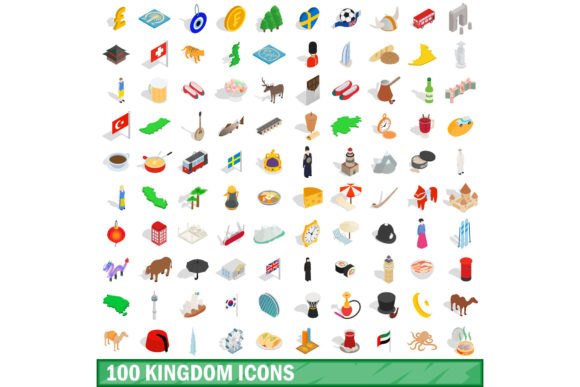
The 100 Country Icons Set Every Designer Needs
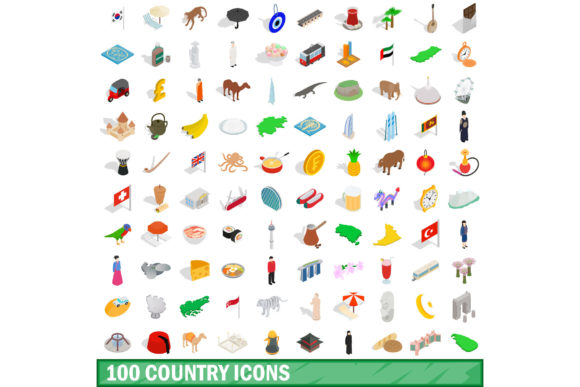
Few design resources deliver immediate value like a well-crafted icon system, and a 100 Country Icons Set does exactly that—it hands you a ready-made visual library for representing global audiences, markets, and cultures without sacrificing consistency or quality. Whether you are building a multilingual platform, designing a travel campaign, or localizing a brand identity, having a cohesive collection of nation-specific symbols streamlines your workflow and elevates the final output. The challenge, of course, lies in choosing icons that feel modern, remain readable at any size, and align with your project’s visual hierarchy. When selected thoughtfully, these assets become much more than decorative elements—they become essential building blocks for clear, professional visual communication.
Why a Cohesive Icon Set Matters in Graphic Design
In graphic design, consistency is the silent backbone of trust. A haphazard mix of line weights, color temperatures, or stylistic approaches immediately undermines a brand’s credibility. The 100 Country Icons Set solves this by offering a unified system—each icon shares the same stroke thickness, corner rounding, and overall aesthetic. This uniformity allows designers to focus on composition, spacing, and typography rather than manually aligning mismatched assets. For brand identity projects, this cohesion is especially critical. A travel app, for example, might feature a flag icon next to a destination name; if that icon looks out of place alongside the interface’s typography and color palette, users feel the friction even if they cannot name it.
Practical Applications Across Creative Projects
The versatility of a country icon set extends far beyond flag representations. Consider these real-world scenarios:
- Branding and logo design: Use a single country silhouette as a subtle mark or integrate multiple icons into a pattern for a global brand identity.
- Marketing materials and print design: Brochures, flyers, and annual reports benefit from clear geographic markers that guide international readers.
- Social media graphics and digital marketing: A quick visual cue—like a pin or a simplified map—helps localized campaigns stand out in crowded feeds.
- Web design and UI/UX: Dropdown menus, language selectors, and location-based filters become instantly intuitive with recognizable icons.
- Packaging design: Country icons can indicate origin, ingredients, or cultural inspiration on product labels.
- Presentations and editorial design: Data-driven slides and infographics gain clarity when geography is communicated visually, reducing text overload.
- Merchandise and digital products: From tote bags to app interfaces, a well-designed icon set keeps the look professional and scalable.
Each of these applications benefits from icons that are not only visually appealing but also technically robust—scalable, readable at small sizes, and adaptable to light or dark backgrounds.
Selecting the Right Visual Style and Typography Pairing
When evaluating a country icon collection, consider how it interacts with your chosen typography and color palette. A set with clean, minimalist outlines pairs naturally with modern sans-serif typefaces and muted tones, while a more detailed, illustrated style may lend itself to editorial layouts and vintage packaging. The best collections offer multiple format options—SVG for web, PNG for quick mockups, and EPS for print—ensuring your workflow remains smooth from concept to final delivery. Professional presentation depends on this level of foresight. A mismatch between icon style and brand voice can confuse the audience, so test the icons against your existing systems early in the design process.
Readability, Scalability, and Visual Hierarchy
One of the most overlooked aspects of icon usage is readability at different scales. A country silhouette that looks crisp on a large hero image may become an indistinguishable blob when shrunk to 16 pixels for a navigation bar. The 100 Country Icons Set should include carefully optimized shapes that preserve recognizability even at tiny sizes. This is where visual hierarchy comes into play: larger icons can serve as focal points on landing pages, while smaller versions support secondary navigation or data visualization. By maintaining uniform weight and proportion, the collection helps you build a clear visual hierarchy without additional manual adjustment.
Design Trends and Modern Aesthetics
Current design trends lean toward simplicity, accessibility, and cultural sensitivity. Flat icons with subtle rounded corners, limited color usage, and ample negative space align with modern aesthetics while remaining inclusive. When representing countries, avoid oversimplified stereotypes—choose icons that reflect accurate, respectful geographical shapes or internationally recognized landmarks. A well-designed set combines both: a map outline for context and a small landmark icon for flavor, all within the same visual system. This approach strengthens brand identity by demonstrating attention to detail and cultural awareness.
Improving User Engagement Through Thoughtful Design
User engagement often hinges on how quickly someone can parse information. Country icons reduce cognitive load by replacing text labels with instant visual recognition. In a travel booking interface, for instance, a user can scan a list of destinations much faster when each country is accompanied by its icon. This speed translates directly to better UX, higher conversion rates, and reduced bounce times. For digital marketing campaigns, pairing icons with strong typography and contrasting colors creates a memorable visual rhythm that encourages scrolling and interaction.
Final Thoughts on Building a Professional Asset Library
Investing in a high-quality 100 Country Icons Set is not just about saving time—it is about elevating every project that touches a global audience. From packaging design to UI design, these icons become the silent visual language that bridges cultures and communicates intent. The best creative assets are the ones you reach for repeatedly because they work flawlessly across contexts, sizes, and mediums. When you combine a cohesive icon system with solid typography, intentional composition, and a thoughtful color palette, you create a professional presentation that speaks clearly to viewers anywhere in the world. Thoughtful design choices at the asset level ripple outward, improving brand perception, user trust, and overall visual impact.